

Your money is about to become a surveillance tool — and how to opt out
Best secure phone 2025

Google Pixel 9a GrapheneOS VPN Encrypted

Google Pixel 9 GrapheneOS VPN Encrypted
Best secure router 2025
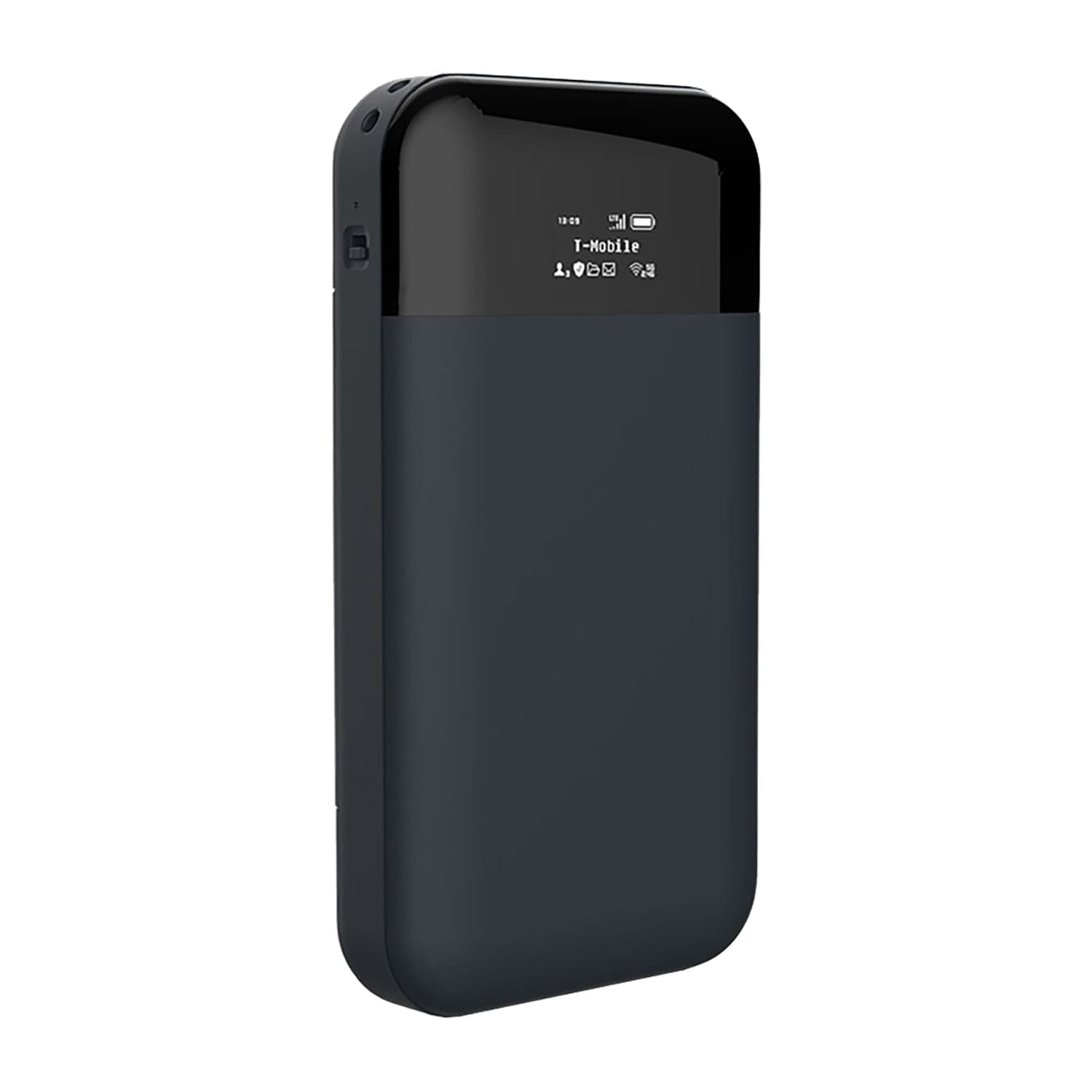
CryptHub V2 Portable 4G VPN Encrypted Router
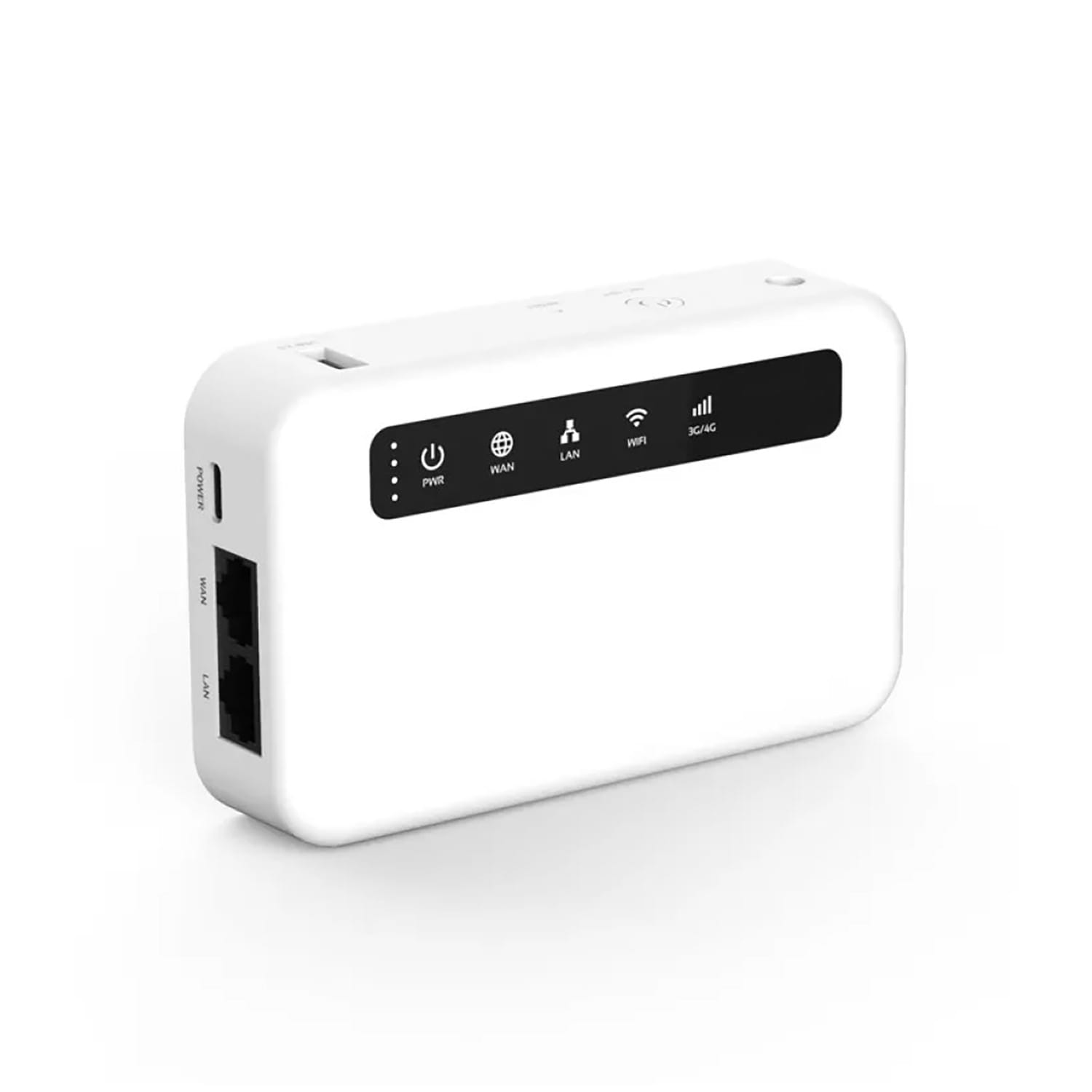
CryptHub V3 Portable 4G VPN Encrypted Router
Every payment you make, every transfer, every app you open — it all leaves a digital fingerprint. A map of your habits, your priorities, your entire lifestyle. Today, banks and payment processors use that data for fraud detection and marketing. Tomorrow, with Central Bank Digital Currencies, governments could use it to control what you buy, where you spend, and even punish you for behaviour they don’t approve of.
This isn’t speculation. It’s already happening. China’s digital yuan is being deployed alongside a social credit system that has blocked over 26 million airline tickets and nearly 6 million high-speed rail tickets for people deemed “untrustworthy.” The European Central Bank is in advanced preparation for a digital euro. India’s e-rupee pilot grew 334% in a single year. And as of 2025, 137 countries representing 98% of global GDP are exploring CBDCs.
Financial freedom as we know it could vanish. Your money could stop being yours and become a tool to monitor, judge, and control every decision you make. The worst part? Much of this is sliding into everyday life so quietly, so “naturally,” that most people won’t notice until it’s too late.
This guide explains what CBDCs are, why they’re dangerous, what programmable money really means, and how to protect your financial privacy before it disappears.
What is a CBDC?
A Central Bank Digital Currency is digital money issued directly by a country’s central bank. Unlike the digital money already in your bank account — which is actually a claim on a private bank — a CBDC is a direct claim on the central bank itself. Think of it as digital cash, backed by the government.
Sounds harmless, right? Faster payments, lower fees, financial inclusion for people without bank accounts. That’s the marketing pitch. And those benefits are real — on paper.
But here’s what the brochures don’t mention:
- Every transaction is visible to the central bank. Unlike cash, which is anonymous, a CBDC creates a permanent, traceable record of every payment you make. Who you paid. When. Where. How much. For what.
- The money can be programmed. Central banks can set conditions on how you spend. Expiration dates on currency. Geographic restrictions. Category limits. Your money could be programmed to only work in approved stores, or expire if you don’t spend it fast enough.
- Your funds can be frozen instantly. With cash, the government needs to physically seize it. With a CBDC, a keystroke can freeze your entire balance. No court order needed if the right emergency powers are invoked.
A CBDC takes the surveillance capabilities of digital banking and combines them with the absolute authority of a central bank. It’s not just digital money — it’s programmable, surveillable, controllable money.
Where is this happening right now?
This isn’t a future scenario. CBDCs are being actively deployed, tested, and planned worldwide:
China — the e-CNY (digital yuan)
The most advanced CBDC in any major economy. By mid-2024, the digital yuan had processed 7 trillion e-CNY (roughly $986 billion) in transactions across 17 provinces. Over 2.25 billion digital wallets have been created. The e-CNY is being developed alongside China’s social credit system, where financial data, regulatory compliance, and behavioural assessments are combined into scores that determine what services you can access.
European Union — the digital euro
The ECB moved into the “preparation phase” in November 2023, aiming to finalise the rulebook and select technology providers. Development and rollout could begin as early as late 2025. EU finance ministers have agreed on a roadmap for launch. When it arrives, every eurozone transaction could be visible to the central bank in real time.
India — the e-rupee
India’s digital rupee pilot grew 334% in a single year — from $28 million in circulation to $122 million by March 2025. The Reserve Bank of India is expanding with new use cases, offline functionality, and broader participation. For a country pushing aggressively to eliminate cash (remember the 2016 demonetisation shock?), this is a clear direction of travel.
United Kingdom — the digital pound
The Bank of England has set up a Digital Pound Lab to test use cases with industry. The UK government is actively exploring implementation, though no launch date has been set.
Russia and Brazil
Russia plans to require all banks to enable Digital Ruble transactions by September 2026. Brazil plans to launch its Drex CBDC in 2026 in two phases.
United States — the outlier (for now)
In January 2025, an executive order halted all work on a retail CBDC — making the U.S. the only major economy to do so. The House passed the Anti-CBDC Surveillance State Act. But the U.S. continues participating in wholesale cross-border CBDC research. And executive orders can be reversed with the next administration.
The global picture: 137 countries and currency unions representing 98% of global GDP are exploring CBDCs. In 2020, that number was only 35. There are currently 49 active pilot projects worldwide.
What does 'programmable money' actually mean?
This is the part that should concern you most. A CBDC isn’t just digital cash — it’s money with built-in rules. The central bank can programme conditions into the currency itself:
Expiration dates
Your money could expire if you don’t spend it fast enough. During a recession, a government could issue stimulus funds that vanish after 90 days — forcing you to spend immediately rather than save. China has already experimented with expiring digital yuan vouchers in pilot programmes.
Spending restrictions
Your money could be limited to approved categories. No alcohol. No tobacco. No political donations to unapproved organisations. No purchases from businesses that haven’t registered with the system. The technology makes all of this possible at the transaction level.
Geographic restrictions
Your money could be programmed to work only in certain regions. A government could restrict spending to domestic businesses, effectively cutting off access to foreign goods or services without needing tariffs or trade policy.
Personalised interest rates and penalties
Different people could receive different rates based on their “profile” — their spending history, their compliance score, their political affiliations. This isn’t science fiction. It’s a documented feature of programmable money design.
Instant freezing and confiscation
With physical cash, seizing someone’s money requires a physical process — warrants, bank freezes, court orders. With a CBDC, a central bank can freeze or confiscate funds with a database update. No physical presence needed. No delay. No appeal process if the right emergency laws are in place.
This already happened in a democratic country. In February 2022, Canada invoked emergency powers to freeze the bank accounts and crypto wallets of people who donated to the Freedom Convoy protests — without court orders. This is what financial control looks like when money is digital and centralised. A CBDC would make it even easier.
How China is combining digital money with social control
China’s social credit system is the most advanced example of what happens when financial surveillance meets behavioural control. As of 2025:
- The National Credit Information Sharing Platform has collected over 80.7 billion records covering approximately 180 million businesses
- Over 33 million businesses have been assigned social credit scores
- By mid-2019, 26.82 million air tickets and 5.96 million high-speed rail tickets were denied to individuals labelled “untrustworthy”
- The 2024–2025 action plan calls for a unified national system covering “all types of entities” with “full coverage of provincial-level credit legislation”
- Financial institutions have issued ¥37.3 trillion (roughly $5.2 trillion) in loans through the credit platform — meaning access to money is directly tied to your social credit score
Real cases:
Journalist Liu Hu was blacklisted after exposing government corruption. He was banned from buying airline tickets, riding high-speed trains, purchasing property, and securing loans. His bank accounts were restricted. His career was effectively destroyed — not through a criminal conviction, but through an algorithmic score.
In 2019, a Hebei court launched a mobile app that displayed a “map of deadbeat debtors” within 500 metres of any user, encouraging people to report anyone who might be able to repay their debts. Public shaming as government policy.
Now combine this system with the digital yuan — a currency the government fully controls, can programme, can freeze, and can trace in real time. The social credit score becomes not just a rating but a switch. Score too low? Your money stops working.
Western governments insist they won’t implement social credit systems. But they’re building all the infrastructure required to do exactly that. The digital euro regulation doesn’t include social credit provisions today. But the technology supports it. And once the infrastructure exists, the only thing standing between you and a European social credit system is political will — and that changes with every election.
Why cash is your last defence
Cash is the only truly anonymous payment method left. When you pay with a banknote, no one records the transaction. No database logs it. No algorithm analyses it. No government can freeze it remotely.
That’s exactly why governments are working to eliminate it.
The push to go “cashless” isn’t about convenience — it’s about control. Every cashless transaction creates a data point. Every data point creates a profile. Every profile creates leverage.
Consider what we’ve already lost:
- India (2016) — The government invalidated 86% of cash in circulation overnight, forcing hundreds of millions of people into the digital banking system. Lines at ATMs lasted weeks. Dozens of people died in the chaos. The stated reason: fighting corruption. The effect: massively increased government visibility into private financial activity.
- Sweden — Cash usage dropped to under 10% of transactions. Many businesses refuse cash entirely. The Riksbank is now researching an e-krona precisely because physical money is disappearing faster than the replacement is ready.
- European Union — The EU proposed a €10,000 limit on cash transactions as part of anti-money laundering regulations. Several member states already have lower limits — in France, it’s €1,000 for residents.
When cash disappears, so does your ability to transact without surveillance. A CBDC doesn’t replace cash — it replaces the freedom that cash represents.
How to protect your financial privacy — step by step
You can’t stop governments from launching CBDCs. But you can build financial habits that reduce your dependence on systems designed to surveil and control you. Here’s how:
Step 1: Use cash whenever possible
This is the simplest and most effective step. Pay with physical cash for everyday purchases — groceries, transport, meals, services. Every cash transaction is invisible to surveillance systems. The more people use cash, the harder it is to eliminate. If a business refuses cash, consider whether they deserve your money.
Step 2: Use privacy-focused cryptocurrency
Monero (XMR) is the most private cryptocurrency available. Unlike Bitcoin — where every transaction is permanently visible on a public blockchain — Monero uses ring signatures, stealth addresses, and confidential transactions to make payments untraceable by default. For online purchases, donations, or private transfers, Monero provides financial privacy that no bank account can match.
Step 3: Use a hardware wallet for cryptocurrency
Don’t leave crypto on exchanges — they comply with government data requests and freeze accounts. Use a hardware wallet like a Ledger device to hold your keys offline. If you don’t control the private keys, you don’t control the money. We’re exploring adding Ledger hardware wallets to our product line — stay tuned.
Step 4: Minimise your digital payment footprint
Every card payment, every mobile wallet tap, every online purchase creates a permanent record. Reduce the number of traceable transactions you make. Use cash for anything you don’t want on record. For necessary digital payments, consider using prepaid debit cards purchased with cash — they create less persistent identity trails than your main bank card.
Step 5: Remove your data from financial aggregators
Services like PayPal, Google Pay, and Apple Pay aggregate your financial data across merchants, creating a single comprehensive spending profile. Minimise your use of these platforms. Where possible, pay merchants directly rather than through aggregation layers.
Step 6: Encrypt your communications about finances
Don’t discuss financial details over SMS, regular email, or unencrypted messaging. Use Signal or Molly for any conversation about money, investments, or transactions. Metadata from financial conversations can be just as revealing as the transactions themselves.
Step 7: Use a VPN to protect financial browsing
Your ISP can see every financial website you visit — your bank, crypto exchanges, investment platforms. Use Mullvad or IVPN as always-on VPN with kill switch. Combined with encrypted DNS via your CryptHub router, your ISP sees nothing about your financial activity.
Step 8: Switch to GrapheneOS for mobile banking
Stock Android sends app usage data to Google — including which banking and crypto apps you use, when you open them, and how long you spend in them. GrapheneOS eliminates this telemetry. Your banking habits are nobody’s business but yours.
Step 9: Support cash-friendly businesses
Vote with your wallet. Choose businesses that accept cash. Patronise local shops and markets over cashless chains. Tell businesses explicitly that you value cash payment options. The more demand for cash, the harder it is to phase out.
Step 10: Stay informed and resist the narrative
The push toward CBDCs is wrapped in positive language — “financial inclusion,” “fighting money laundering,” “modernising payments.” Don’t accept the framing uncritically. Follow organisations like the Electronic Frontier Foundation (EFF), Coin Center, and the Cato Institute’s work on financial privacy. Understand what’s being built, and make conscious decisions about whether you participate.

iVPN — Voucher Subscription
Mullvad VPN — Voucher Subscription
Frequently asked questions
Is Bitcoin a good alternative to CBDCs?
Bitcoin is decentralised and censorship-resistant, which makes it better than a CBDC for financial sovereignty. However, Bitcoin is not private by default — every transaction is permanently visible on a public blockchain. If your Bitcoin address is linked to your identity (through a KYC exchange, for example), your entire transaction history is traceable. For privacy, Monero is significantly stronger due to its built-in obfuscation. For long-term value storage outside the traditional financial system, Bitcoin on a hardware wallet is a solid option. For private transactions, use Monero.
Will CBDCs replace cash completely?
That’s the trajectory in many countries. Sweden is already nearly cashless. The EU is proposing cash transaction limits. India forcibly demonetised most of its currency in 2016. However, the U.S. has taken the opposite position — blocking CBDC development and maintaining cash infrastructure. The outcome depends on where you live and what your government decides. The most important thing you can do is use cash now, while you still can. The more people transact in cash, the harder it is for governments to justify eliminating it.
Can a CBDC be forced on me?
Not directly — at least not initially. CBDCs are typically introduced alongside existing money, not as a replacement. But governments can make cash increasingly impractical through transaction limits, merchant incentives to go cashless, and reduced ATM access. Over time, the choice to avoid a CBDC may become theoretically possible but practically impossible. This is why building alternative financial habits now — cash usage, cryptocurrency, hardware wallets — matters. You want options before you need them, not after.
Your money should work for you — not report on you
The shift from physical money to programmable digital currency is the most significant change to financial freedom in modern history. It’s not a technology upgrade — it’s a fundamental restructuring of the relationship between citizens and the state.
Cash is anonymous. CBDCs are not. Cash can’t be programmed. CBDCs can. Cash can’t be frozen with a keystroke. CBDCs can. Cash doesn’t expire. CBDCs could.
You still have a choice. Use cash. Use Monero. Use a hardware wallet. Encrypt your communications. Protect your devices with GrapheneOS. Route your traffic through a VPN and encrypted DNS. Support businesses that respect financial privacy.
The window to build these habits is now — while the alternatives still exist and the infrastructure is still being built. Once a CBDC is fully deployed and cash is eliminated, your options narrow dramatically.
Don’t wait until your money needs permission to work. Start protecting your financial freedom today.